
Quick answer
If your main goal is to lower your electric bill, a grid-tied solar system is usually the simpler starting point. It uses solar power during the day and works with the utility grid when your solar production is not enough.
If you also want backup power during brownouts, a hybrid solar system is usually the better direction. It combines solar panels with a hybrid inverter and batteries so selected loads can keep running when the grid is down.
The right choice depends on your bill, monthly kilowatt-hour usage, daytime versus nighttime consumption, brownout needs, roof space, and budget.
What is a grid-tied solar system?
A grid-tied solar system is connected to the utility grid. During sunny hours, your home can use solar power first. If your home needs more power than the panels are producing, the grid supplies the difference.
For many homeowners, grid-tied solar is attractive because it usually has a lower upfront cost than a battery-backed system. There are no batteries to size, place, protect, and maintain.
Grid-tied solar is best when:
- Your main goal is bill reduction.
- You use a good amount of electricity during the daytime.
- You want a lower upfront budget than a hybrid setup.
- You do not need backup power during brownouts.
- You are willing to go through the net-metering process if exporting excess solar power is part of the plan.
The important limitation is simple: a standard grid-tied system normally shuts down during a brownout for safety. If brownout backup is important, do not treat a basic grid-tied package as a backup system.
What is a hybrid solar system?
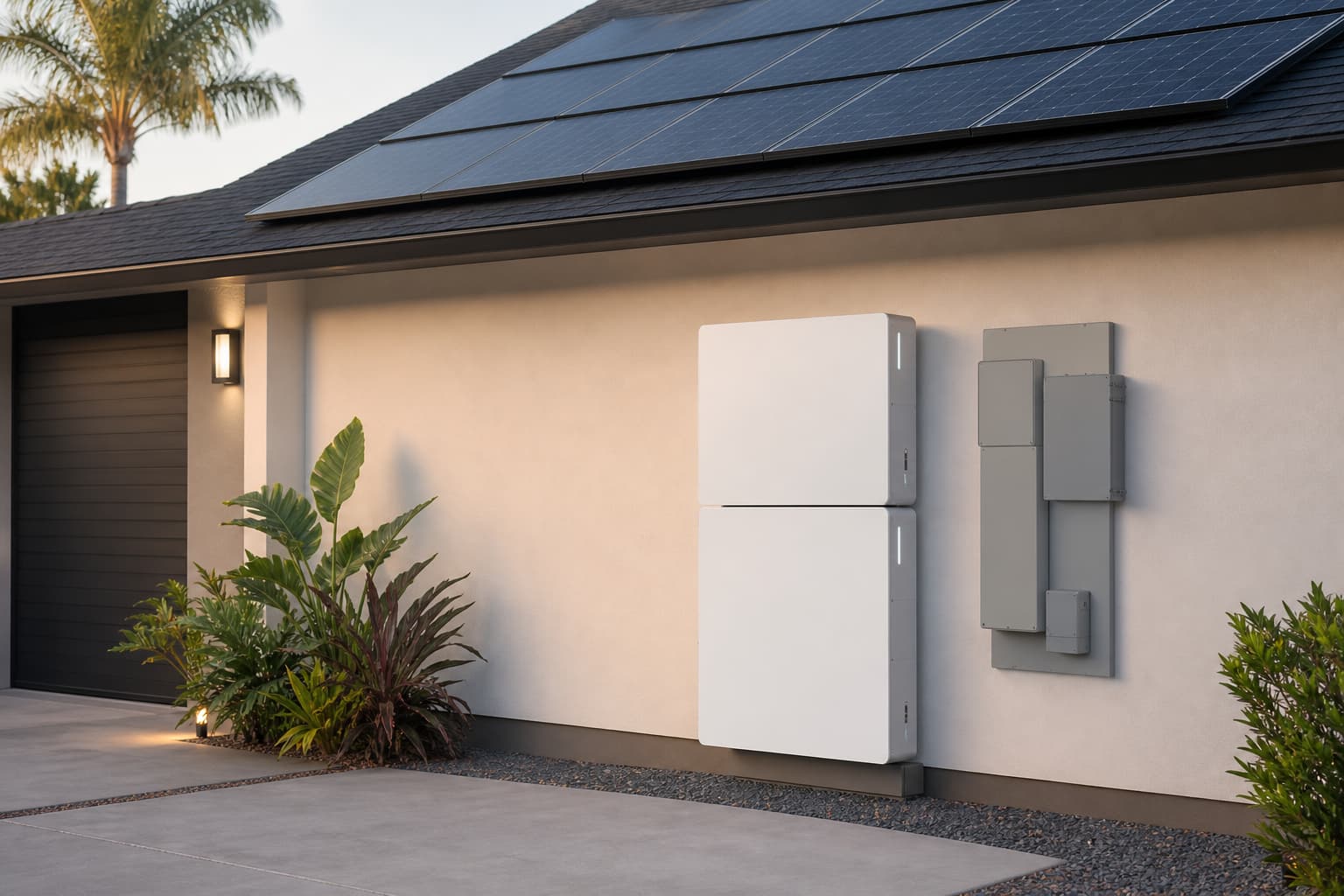
A hybrid solar system combines solar panels, a hybrid inverter, and batteries. The batteries can store energy for later use, depending on how the system is designed and configured.
For homes in areas with brownouts, hybrid solar can be useful because selected priority loads may continue running during an outage. These loads are usually planned carefully, for example lights, Wi-Fi, fans, a refrigerator, or selected outlets.
Hybrid solar is best when:
- You want bill reduction and backup power.
- Brownouts are a real concern in your area.
- You have specific priority loads you want to protect.
- You are comfortable with a higher upfront budget.
- You may want a more flexible battery path in the future.
The main tradeoff is cost. Batteries, protection devices, wiring, commissioning, and proper load planning make hybrid systems more expensive than basic grid-tied systems.
The biggest difference: savings goal vs backup goal
Many solar inquiries mix two different goals:
- Lower my electric bill.
- Keep my home powered during brownouts.
Grid-tied solar is mainly a bill-reduction tool. Hybrid solar can support bill reduction and selected-load backup, but the exact result depends on system size, battery capacity, load selection, and actual usage.
If your goal is only to reduce your bill, grid-tied may be enough. If your goal includes brownout backup, hybrid should be considered early so the system is not designed around the wrong inverter path.
Daytime usage matters a lot
Solar panels produce power during the day. That is why your usage pattern matters.
If your home uses a lot of power in the daytime, such as air-conditioning, appliances, work-from-home equipment, or business loads, grid-tied solar can often be a practical starting point for savings.
If most of your usage happens at night, batteries may become more relevant, but they also increase the budget. This is why a good estimate should not be based only on package size. It should start with your latest electric bill and monthly kilowatt-hour consumption.
Net-metering note for grid-tied solar
In the Philippines, exporting excess solar power to the grid is usually handled through net-metering rules and the distribution utility's process. The Department of Energy describes net-metering as an arrangement for qualified renewable energy end-users, and Meralco's public process includes application, review, meter replacement or setup, testing, commissioning, and energization steps.
For homeowners, the simple takeaway is this: if your grid-tied solar plan includes exporting excess solar power for proper crediting, ask how the installer will handle the net-metering path and required documents.
Can you start grid-tied now and add batteries later?
Sometimes, yes, but it should not be assumed automatically.
A standard grid-tied inverter is usually chosen for bill reduction and utility-grid operation. It may not accept batteries directly. If you want batteries later, the future path may require a hybrid inverter, inverter replacement, an alternating-current-coupled battery setup, or a redesigned system.
If you already know you may want batteries later, tell the installer early. It may be better to compare two options:
- Lower-upfront grid-tied system now.
- Hybrid-ready direction with a clearer battery path.
The cheaper option today is not always the cheaper option over the full upgrade path.
Simple comparison table
| Question | Grid-tied solar | Hybrid solar |
|---|---|---|
| Main purpose | Lower electric bill | Lower bill plus selected-load backup |
| Battery included | Usually no | Yes, if designed as a battery-backed system |
| Works during brownout | Usually no | Can support selected loads if properly designed |
| Upfront cost | Usually lower | Usually higher |
| Best for | Daytime usage and savings | Brownout areas and backup needs |
| Key planning item | Net-metering and usage pattern | Battery size and priority loads |
Which one fits your home?
Choose grid-tied solar if your priority is a lower electric bill and you want a simpler, lower-upfront setup.
Choose hybrid solar if brownouts matter, if you want selected loads to keep running, or if you want to plan around batteries from the start.
If you are unsure, start with these four details:
- Latest electric bill.
- Monthly kilowatt-hour usage.
- General city or service area.
- Goal: lower bill, backup, or both.
With those inputs, Naxo Solar can prepare a practical first estimate and help you compare the right direction before moving into a detailed proposal.
Need help choosing?
Send your latest electric bill to Naxo Solar. We can check your usage, estimate the practical system direction, and help you decide whether grid-tied or hybrid solar makes more sense for your home.